Friends in a Strange World
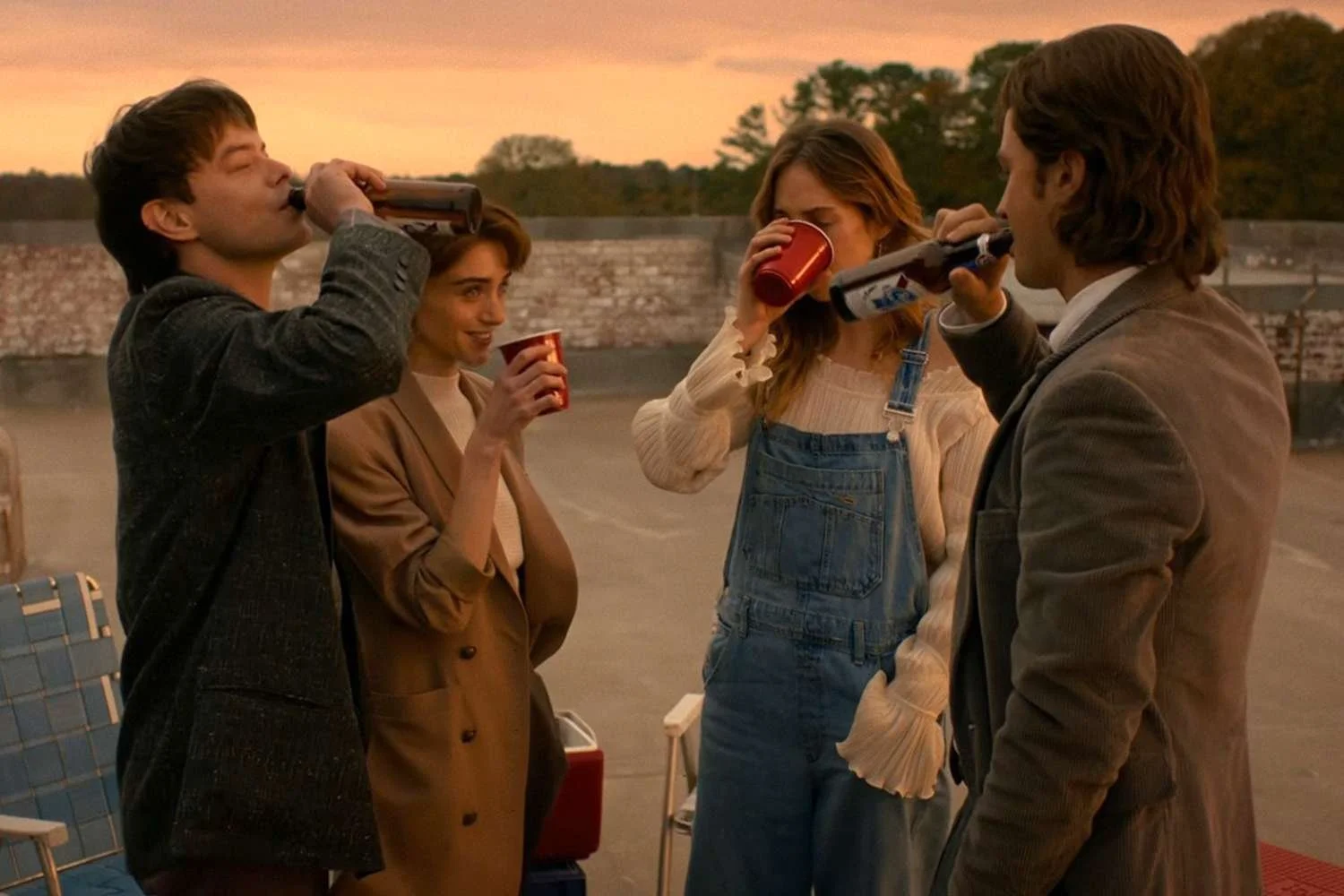
Jonathan, Nancy, Robin, and Steve from the final episode of Stranger Things
I recently finished the final season of Stranger Things. The season had its uneven moments, but I was genuinely satisfied with how the story ended. I also laughed at how often the writers staged deep, emotionally honest conversations while the world was literally collapsing around the characters. Still, after five seasons of battles with the Mind Flayer and Vecna—after the Upside Down, the abyss, and everything in between—the series closes where it began: in a basement, among friends.
At its heart, Stranger Things is a story about the power of friendship. In the darkness, bonds are forged that help people endure the monsters around them—and the fears within them. Some of those friendships are unexpected, like Steve Harrington, the former golden boy, becoming a true friend and protector to Dustin Henderson, the brilliant “dork” with the biggest heart. The show portrays these relationships with surprising depth and warmth. That, more than Demogorgons or plot twists, is the real treasure of Stranger Things.
The final episode drives this home with two farewell scenes—two groups of friends looking back on what they survived together.
First, the older group: Jonathan, Steve, Nancy, and Robin. After defeating Vecna, life begins to pull them in different directions, but they reunite for the younger kids’ graduation. They end up on the roof of the local radio station and admit what the show has been implying for years: they miss each other. They make a pact to stay connected and to reunite regularly—anchoring their future in a friendship that was formed under pressure.
Then, the younger “party”: Mike, Will, Dustin, Lucas, and Max. After graduation, Mike convinces them to play Dungeons & Dragons one more time. He narrates what might come next for each of them, knowing full well that this era is ending. Their basement nights are concluding. And when the group heads upstairs, Holly—Mike’s younger sister—seized the basement with her friends, hinting that another generation will take their turn in the story.
As the credits rolled, I was reminded of something simple and strong: friendship is powerful. The Duffer Brothers set their story in a world of strange monsters to tell a deeply human truth—we need friends in a strange world. Margaret Mead is famously credited with saying, “Never doubt that a small group of thoughtful, committed citizens can change the world; indeed, it’s the only thing that ever has.” Whether or not she wrote it exactly that way, the point stands. Most mountains aren’t conquered alone. The great triumphs—especially the quiet ones—are usually won by a handful of people who love each other more than themselves, each bringing their own gifts to the shared mission.
Ironically, I connect less with the younger group—not because they aren’t compelling, but because their story doesn’t mirror my own. I didn’t grow up with a tight-knit crew and then graduate high school beside them. I had good friends in Virginia—sports, video games, late nights—but my family moved, and I graduated in Collierville, Tennessee instead. That kind of transition changes you. You learn early that friendship doesn’t automatically follow you into the next chapter.
But the older group resonated with me. Their sadness wasn’t teenage nostalgia—it was the ache of separation from friends forged in a difficult season. That one hit close.
In the providence of God, people enter your life at unexpected times. And then, just as unexpectedly, God sometimes scatters them. I had a group of friends formed in a strange, “upside down” world—friends who loved each other through it all. And then God separated us. But we made a pact: we would stay connected, no matter where we lived.
Last summer, our families drove from four different points on the map to meet at a cabin in eastern Kentucky, and we spent a week together. No agenda—just friendship. It was pure joy. Our bond was forged in a hard season, and even now we continue to be anchors for one another. We don’t see each other as often as we wish, but the commitment remains.
Two lines from the final episode captured what I feel.
Dustin said in his valedictorian speech: “Even though there was a lot of bad, there was so much good, too.” I can say that about my own recent story. There was a lot of bad—but there was so much good, too.
And Robin said: “There is one thing that I actually miss about this place. Us. I miss you guys. I mean I really like my new friends, but it’s not the same.” I feel that one in my bones. God gives you new friends—and thank God for them—but there are some friendships that are simply irreplaceable.
So, thank you, Duffer Brothers, for making Stranger Things. Beneath the monsters and nostalgia, it reminded us of something we easily forget: friendship is essential to life. Friends are a gift from God—steady companions to help us persevere through the strangeness of this world.
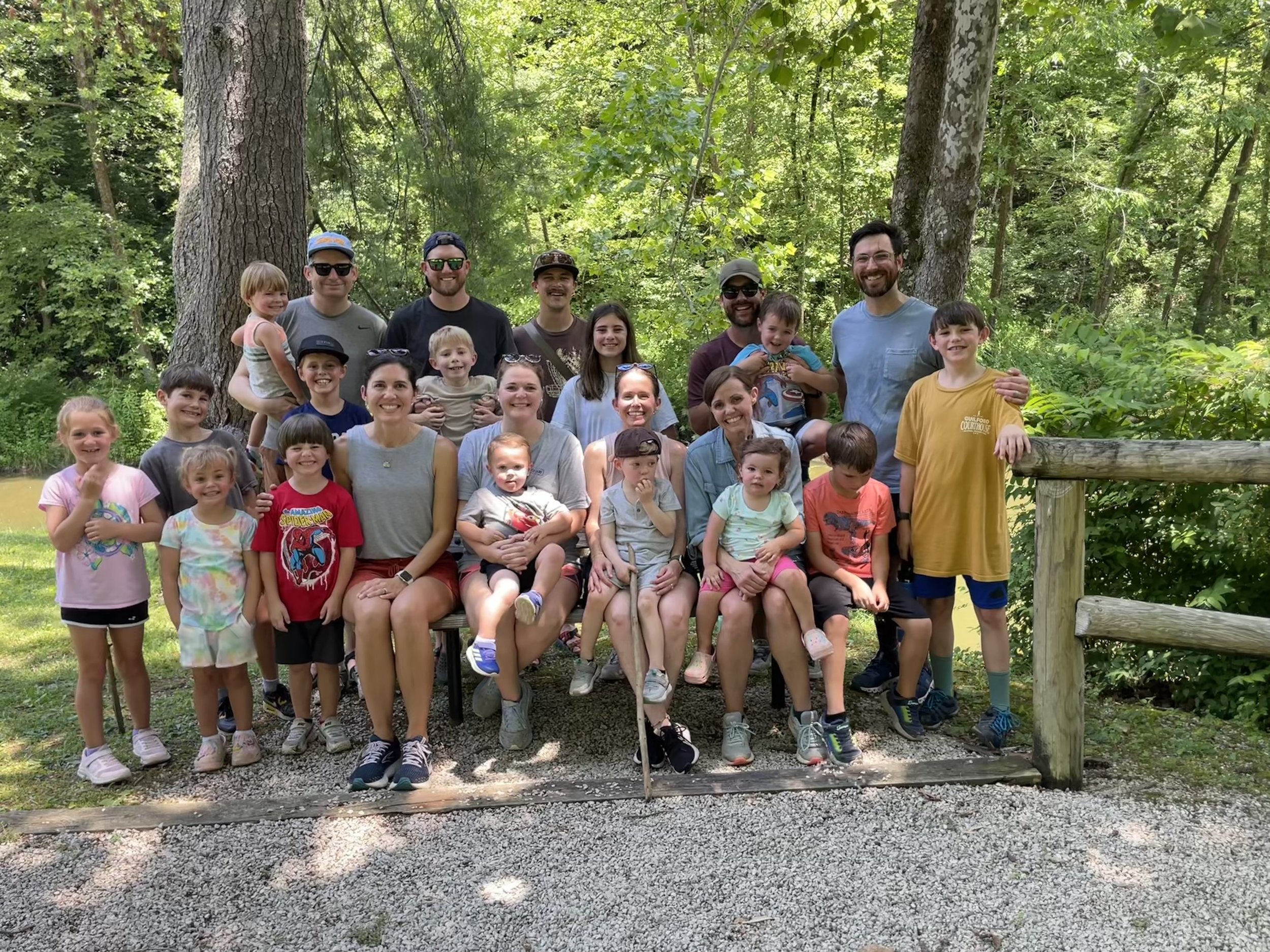
My Group of Friends in Red River, Kentucky